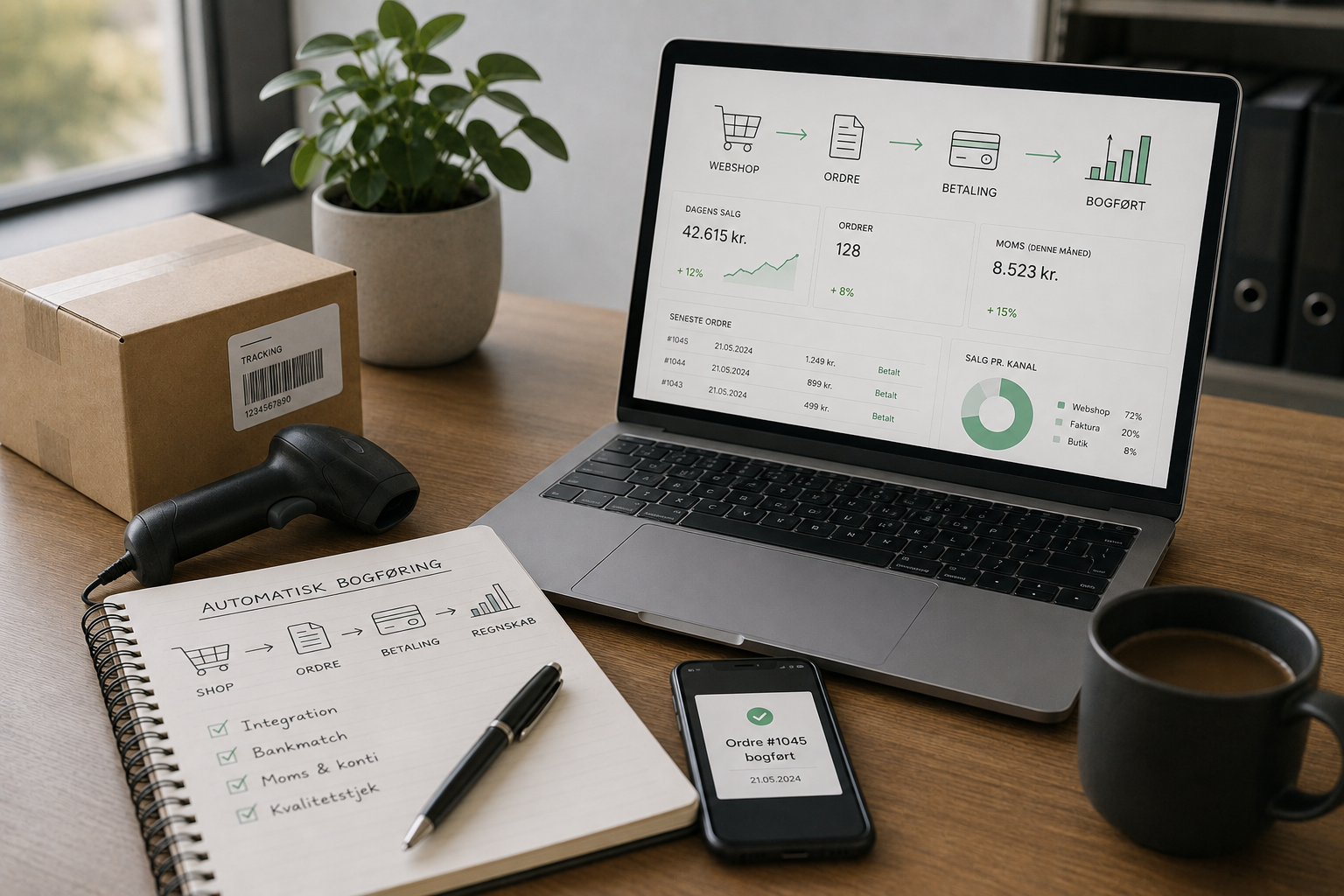




Digitizing accounting is all about making your accounting simple, secure and accessible. When vouchers, banking and systems work together digitally, you spend less time on administration and more time developing your business. For the self-employed and small businesses, finances can quickly become confusing if vouchers, bank statements and VAT returns are handled manually. With a digital solution, workflows are automated and figures are continuously updated. This provides a better basis for decisions and fewer worries about VAT, tax and annual report deadlines. With the right setup, vouchers can be registered automatically in your accounting software, bank entries are continuously matched, and reports give you a clear overview of your company’s finances. Digitization also makes it easier to collaborate with an accountant or auditor because all relevant documents are in one place and can be shared securely online.
What does digital bookkeeping mean?
Digital accounting means that most accounting tasks are handled through digital systems and automated workflows. Instead of paper receipts and manual data entry, documents are registered electronically and processed directly in the accounting program.
This includes, among other things:
- Digital collection and storage of documents
- Automatic import of bank transactions
- Ongoing accounting and reconciliation
- Easy access to financial reports
- VAT and tax compliance through system features
When bookkeeping is properly digitized, it also means that the company has a more structured financial management. All receipts are stored digitally and systems can often suggest postings automatically based on previous entries. This saves time and results in more consistent bookkeeping.
Benefits of digitizing bookkeeping
When bookkeeping is digitized, financial management becomes both simpler and more accurate. Many companies quickly experience a noticeable difference in their day-to-day operations.
Less manual work
Automatic features reduce the need for manual entry and repetitive tasks. Attachments can be scanned or uploaded directly and the system detects them automatically.
Fewer errors in the accounts
When data is recorded digitally and systems are integrated, the risk of accounting errors is minimized. Automated reconciliations and checks help ensure that the numbers add up.
Better financial overview
Digital reports provide continuous insight into revenue, costs and cash flow. You can quickly see how your business is developing and react in time.
Better control of deadlines
VAT, tax and reporting are handled on time because the systems create structure and overview of deadlines.
Easier collaboration with advisor
Digital bookkeeping enables a bookkeeper or accountant to access the system online. This means that questions can be answered quickly and advice can be given on an ongoing basis.
How to get started with digital bookkeeping
The transition to digital accounting doesn’t have to be complicated. For most businesses, it’s about establishing a simple structure and choosing a suitable accounting program.
The process typically starts with that:
- Review your company's current workflows
- Choosing or optimizing an accounting software
- Set up digital handling of attachments
- Integrate banking and payment systems
- Establish routines for accounting and reconciliation
When the system is set up correctly, many tasks can run automatically. Receipts are recorded continuously, bank entries are matched, and financial reports are updated in real time. This provides a solid foundation for managing the company’s finances more efficiently.
Choosing an accounting program
An important part of digitalization is choosing the right accounting software. In Denmark, many self-employed and small businesses use systems like Billy, Dinero or e-conomic. These programs are designed for digital accounting and offer features such as automatic bank integration, digital voucher management and ongoing reporting. The choice often depends on company size, complexity and need for integrations. The most important thing is that the system supports a simple and efficient workflow where receipts, payments and reports are connected.
How a bookkeeper can help with digitization
For many businesses, getting help from a professional bookkeeper to digitize their accounts adds value. An accountant can help structure workflows, set up accounting software and ensure that bookkeeping is compliant. At the same time, ongoing feedback can make it easier to understand the company’s finances and make better decisions. Accountview works with digital bookkeeping for self-employed and small businesses. We help set up and optimize accounting software such as Billy, Dinero and e-conomic and ensure clear processes for vouchers, bank reconciliation and VAT. The goal is to create a simple and efficient financial system that gives you an overview of your business without unnecessary administration.
Frequently asked questions about digitizing bookkeeping
What does digital bookkeeping mean in practice?
Not necessarily. Many companies can continue with their current system if it supports digital workflows. Alternatively, switching to a more modern accounting program can make work easier.
Should I switch accounting software to digitize my bookkeeping?
Not necessarily. Many companies can continue with their current system if it supports digital workflows. Alternatively, switching to a more modern accounting program can make work easier.
Can digital bookkeeping save time?
The answer. When vouchers, banking and reports are integrated digitally, the need for manual entry and administration is reduced. This frees up time to focus on business operations and development.